How Search Engines Crawl & Index: Everything You Need To Know
1990– the first search engine is
archie.
A year after they invented the world wide web (www), the early search engine crawled through an index of downloadable files. However, the limited data made only the listings available, not the content. 1991– tim berners-lee, the inventor of the www, created a virtual library to help users find urls for different websites. The cern webservers hosted the library at the beginning of the internet. 1993– jumpstation brought a new leap with their linear search which showed a page’s title and header in the same results.
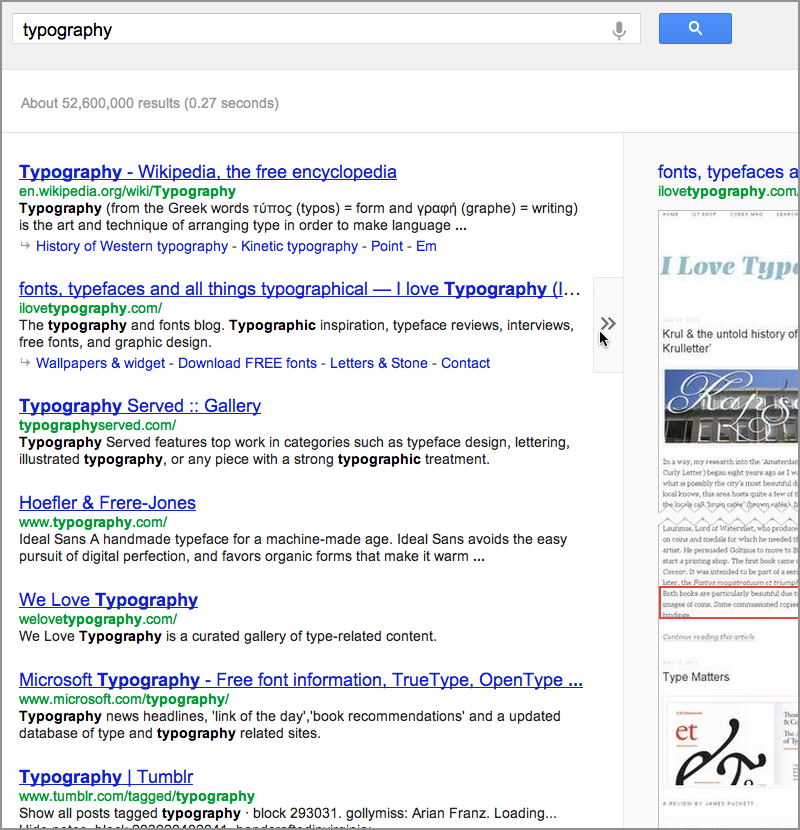 The search engine ranks results in the order they were found.
A search eng in e results page (serp) is the list of results that a search engine returns in response to a specific word or phrase query. Each listing includes the linked web page title, the linked page url (uniform resource locator), a brief description of the page content and, in some cases, links to points of interest within the website. There are three main types of results on a serp: pages that the search engine spider has crawled and indexed; pages that have been manually added to the search engine’s directory; and pages that appear as a result of paid inclusion.
Home knowledge technical seo library in this guide we’re going to provide you with an introduction to how search engines work. This will cover the processes of crawling and indexing as well as concepts such as crawl budget and pagerank. Search engines work by crawling hundreds of billions of pages using their own web crawlers. These web crawlers are commonly referred to as search engine bots or spiders. A search engine navigates the web by downloading web pages and following links on these pages to discover new pages that have been made available.
Search engines such as google and bing use bots to crawl pages on the web, going from site to site, collecting information about those pages and putting them in an index. Think of the index like a giant library where a librarian can pull up a book (or a web page) to help you find exactly what you’re looking for at the time. Next, algorithms analyze pages in the index, taking into account hundreds of ranking factors or signals, to determine the order pages should appear in the search results for a given query. In our library analogy, the librarian has read every single book in the library and can tell you exactly which one will have the answers to your questions.
Cc search is a web search engine that gives users the ability to find the content they can re-use. All content in the cc search index is under creative commons licenses. Currently, only images are included in their index but they have plans to add open texts and audio. These are the most popular web search engines on the internet today. The list is by no means complete and for sure many more will be created in the future but as far as the first places are concerned, google and bing will hold the lead positions for years to come.
How Search Engines Use Machine Learning: 9 Things We Know For Sure
There are more than 4. 5 billion internet users across the world.
Search engines have become an integral part of our daily life. The first thing anyone who wants to find an answer does is type the question in the search bar of google. As an online business, getting on the serps (search engine results pages) should be a top priority. It’s like your virtual signboard when people search for things related to your business. It’s so crucial to get the word out about your business, and one way to do that is by learning the right way to create blog content to rank high and increase organic traffic towards your website.
The most famous dictum of the science fiction writer and futurist arthur c. Clarke may be his third law: “any technology sufficiently advanced is indistinguishable from magic. ” and for most of us, the efficiency of 21st-century search engines — google, bing, yahoo and others — can be uncannily accurate. But when it comes to learning, instant gratification can be as much a bug as a feature. Take high school students today. They have grown up using search engines and other web resources; they don’t need to understand how these tools work in order to use them. In fact, thanks to what’s called machine learning, search engines and other software can become more accurate — and even those who write the code for them may not be able to explain why.
Search engine results page
A ‘search engine results page’ (serp) is the first page of results and links what an end-user would see when searching for something on google (or any other search engine like bing or yahoo). As the search engine condenses the top results it thinks are the most relevant, it becomes quite a crucial aspect to assess and factor-in within our strategy work at netamorphosis: serp easily indicates whether a website can be optimized for better positioning. Even though search results are mostly triggered by keywords included in the query and people might indeed use the same keywords when looking for something, no two serps are the same.
The internet archive is a favorite destination for longtime web lovers. The archive has been taking snapshots of the entire world wide web for years now, helping users to virtually travel back in time to see what a web page looked like in 1999, or what the news was like around hurricane katrina in 2005. It's essential to think of the internet archive as much more than a web page archiver; it's a versatile search engine that also finds movies and other videos, music, and documents. You won't visit the archive daily like you would google or yahoo or bing, but when you do need historical context, use this search site.
Search results can be broken down as follows: natural search results (usually on the left-hand side of search engine’s results page) here you will see all the websites in a search engine’s index which are relevant to the query. The search engine’s internal evaluation algorithm determines which position a website will get in the search results. It is not possible to pay to move a website higher up in the natural search results. In addition, natural search results often display entries from google places , images or videos which are relevant to a search term. These entries usually appear at the top of the search results.
Seo is an acronym for search engine optimisation, whereas serp is an acronym for search engine results page. They are two different things, but very closely related. Here’s how they differ from each other.
Share via linkedin share via email data protection law allows you to ask online search engines to delete internet search results containing your personal data (in some cases). This is the right to erasure, also known as the ‘right to be forgotten’. If searching your name through a search engine brings back a result containing information about you, and the information in that link is having a negative effect on your privacy, you can ask the search provider to stop it from appearing in future searches. Search providers don’t have to remove the link, but they must consider your request. They will decide whether to remove it based on what you have told them and whether they think there is a public interest in it remaining available.
See also [ edit ]
Exercise: use the link below to go to the google web site and follow along with the instructions. When you first go to the google web site there is a blinking cursor in the search edit box near the middle of the page. Forms mode comes on automatically when you go to a web page which has the focus set to a blinking cursor in an edit box. If for some reason forms mode does not come on automatically on your computer, you can also press enter to go into forms mode, or you can press insert+f5 to open the jaws select a form field dialog box.
Want to Learn More?
A webpage which is content-rich, authoritative, unbiased, and helps visitors learn more about what they are interested in is most likely to attract links from other websites, which improves your search engine optimization. Improve your authority and credibility by adding relevant links within the text. Instead of having "click here" links, try writing out the name of the destination. "click here" has no search engine value beyond the attached url, whereas "michigan tech enterprise program" is rich with keywords and will improve your search engine rankings as well as the ranking of the page you are linking to. Always use descriptive links by linking keywords—it not only improves search engine optimization, but also adds.


Comments
Post a Comment